

Choosing the right air conditioning system for your Texas home can have a significant impact on comfort, energy costs, and home value. With the sweltering Texas heat, an effective A/C system is essential, but it’s not always easy to decide between central A/C and mini split units. Here, we’ll dive into the details of each system and explain why central A/C is often the superior choice for Texas homeowners.
1. What is a Central A/C System?
Central A/C systems are a common choice for homes, especially in warmer climates like Texas. A central system works by using an outdoor unit that connects to an indoor air handler, typically placed in the attic. The system cools the air, which is then distributed through a series of ducts that deliver cooled air to each room. This ducted design offers consistent cooling throughout the home and can be managed from a single thermostat.
Key Components of Central A/C:
- Compressor and Condenser (outdoor unit)
- Evaporator Coil and Air Handler (indoor unit)
- Ductwork that distributes cool air to each room
2. Understanding Mini Split Units
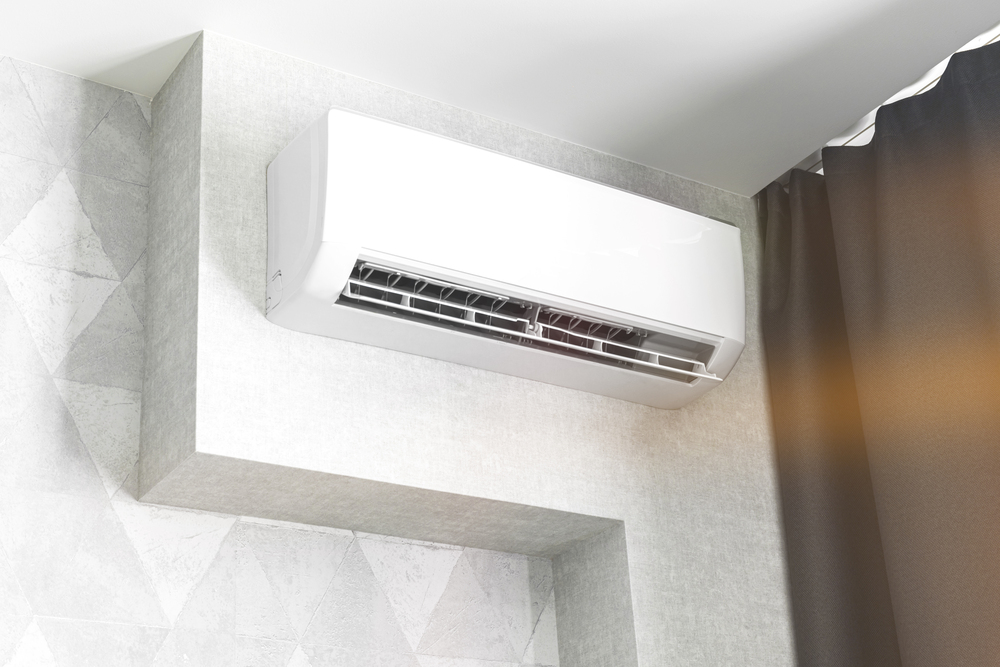
Mini Split units, consist of individual units installed in each room or area you want to cool. A mini-split system includes an outdoor compressor unit connected by refrigerant lines to one or more indoor air handlers that are mounted on walls or ceilings.
Key Components of Split Units:
- Outdoor Compressor Unit
- Multiple Indoor Air Handlers
- Refrigerant Lines (instead of ducts)
While mini split units offer a ductless solution and the flexibility to cool specific rooms, they may not be as ideal for whole-home cooling, especially in larger homes common in Texas.
3. Why Central A/C is Ideal for Texas Homes
Central A/C units are particularly well-suited to Texas because of the climate and common home layouts. Here’s why central systems outperform mini split units in Texas:
a. Consistent, Whole-Home Cooling
Texas summers can be relentless, with temperatures regularly exceeding 90°F. Central A/C systems ensure that your entire home stays uniformly cool, eliminating hot spots that are often a problem with mini-split systems. With mini split units, certain rooms can feel much cooler than others, leading to discomfort in various parts of the home.
b. Better Energy Efficiency in Larger Homes
Texas homes are frequently spacious, and while mini-split units might be ideal for small spaces or apartments, they can become inefficient in larger homes. Using multiple split units in a large home increases energy consumption, as each unit requires its own cooling power. In contrast, a central A/C system uses a single outdoor compressor and works more efficiently to cool the entire home, often resulting in lower energy bills over time.
c. Cleaner Aesthetic and Less Indoor Clutter
Mini Split units require wall-mounted air handlers in every room they serve, which can be visually obtrusive. Central A/C systems, however, rely on concealed ductwork and vents that blend seamlessly with the home’s structure. This hidden design keeps living spaces looking clean and uncluttered, which is often more desirable for homeowners looking to maintain a cohesive and open look.
d. Higher Home Value and Resale Appeal
For Texas homeowners considering resale value, central A/C systems are typically a bigger selling point. Prospective buyers often view central A/C as a more permanent, reliable, and desirable cooling solution. Investing in central A/C can improve the overall value of your home, making it a smart choice in terms of long-term value and marketability.
e. Humidity Control and Air Quality
Central A/C systems also play a significant role in managing indoor humidity, which is crucial in Texas where humidity can make the summer heat feel even more intense. Central A/C systems are often equipped with dehumidifying capabilities, keeping the air inside more comfortable. Additionally, because central A/C systems circulate air through a filter, they tend to improve indoor air quality by removing dust, allergens, and other airborne contaminants more effectively than mini-split systems.
4. Cost and Installation Considerations
While central A/C units may come with a higher upfront installation cost due to ductwork, they are often more economical in the long run, particularly for larger homes. Mini Split units can seem appealing due to lower initial costs; however, the need to install multiple units in a larger Texas home can quickly add up. Additionally, central A/C systems tend to have a longer lifespan and require fewer units to cool the entire home efficiently.
5. Maintenance Needs and Longevity
Central A/C systems, when professionally maintained, can last up to 15-20 years. Regular duct and air filter cleaning services can ensure peak performance and efficiency, keeping the system running smoothly. Mini Split units, on the other hand, require maintenance for each indoor unit, which can become costly and time-consuming.
Conclusion: Why Central A/C is the Superior Choice for Texas Homes
In the Texas climate, a central A/C system offers significant advantages in efficiency, comfort, and value. Central A/C units provide consistent cooling throughout the home, enhanced energy efficiency for larger spaces, better humidity control, and improved air quality. Moreover, they offer a cleaner look without indoor air handlers disrupting your living space. While mini split units might work well in smaller homes or specific cooling zones, the benefits of central A/C make it a top choice for Texas homeowners seeking reliable, whole-home comfort.
Whether you’re upgrading or installing a new A/C system, central air conditioning offers a solution designed for the unique demands of Texas living, making it a wise investment for both comfort and value.
About Us
For a professional air duct cleaning, look no further than Power Vac America. With over 30 years of experience, our licensed and certified technicians use state-of-the-art equipment and adhere to the highest standards in air duct cleaning, including the use of high-powered vacuums, brushes, and anti-fungal treatment agents to improve air quality and ensure that you breathe clean and healthy air. We are NADCA certified and licensed by the Texas Department of Licensing and Regulations (TACLA28012E).
For more information on our process, follow this link or call for a quote at 713-645-4611:
https://powervacamerica.com/air-duct-cleaning-houston-tx/
Have more questions? Check out our Frequently Asked Questions FAQ page! https://powervacamerica.com/faq/