

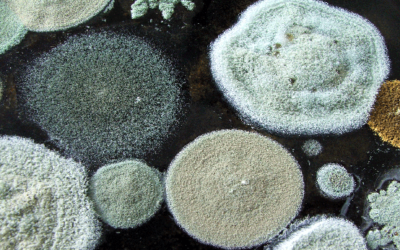
Due to the high level of interest and frequent inquiries we receive about mold in HVAC systems, we’re once again dedicating this blog to black toxic mold in air vents, a topic we spoke about in March of 2023. Much like last year, we want to assure you that it is very unlikely that black toxic mold exists in yours.
While you may have discovered some unsightly growth in your system, the dangerous Stachybotrys chartarum, or black toxic mold, is less common than other types of mold that appear regularly in AC systems across Texas. We want to emphasize how uncommon black toxic mold is and caution against anyone who claims you have it without proper testing.
We receive calls on a weekly basis from customers inquiring about black mold in their system, supply plenum, ducts, etc. Unscrupulous contractors often show them pictures, sometimes not even of their system, claiming to have found mold in the attic and use high-pressure sales tactics to get them to sign immediately—”this offer is only good for today.” In most cases, they charge 2 or 3 times the standard amount by instilling fear about black toxic mold. On a recent call this week it was determined that a potential customer’s system was only 2 years old. Further inspection showed that contrary to what they had been told by another company, not only was there no mold in the system, but it didn’t even need cleaning.
Understanding Mold in HVAC Systems
- Types of Mold Commonly Found:
- Stachybotrys chartarum (Black Toxic Mold):
- Rare in HVAC systems.
- Grows in high humidity and moisture.
- Can cause serious health issues: respiratory problems, neurological issues, and even death in extreme cases.
- Cladosporium:
- Common in Texas HVAC systems.
- Found on damp surfaces like pipes, drains, and air conditioning coils.
- Not typically harmful to healthy individuals but can cause symptoms in people with allergies or weakened immune systems.
- Aspergillus and Penicillium:
- Various strains with different health effects.
- Present in HVAC systems.
- Stachybotrys chartarum (Black Toxic Mold):
- Signs of Mold Growth:
- Musty or moldy odor.
- Visible mold growth on vent covers or registers.
- Health and System Impacts:
- Any mold in your HVAC system can lead to potential health problems.
- Mold growth can damage your HVAC system and reduce its efficiency.
Addressing Mold Concerns
- Testing and Treatment:
- The only way to know with certainty what type of mold you have is to get it tested.
- Testing doesn’t change the treatment approach but provides more information.
- Professional Assessment:
- If you suspect mold growth, contact a professional.
- In Texas, only companies with an AC license are permitted to treat mold in HVAC systems.
Ensuring Peace of Mind
- Qualified Professionals:
- Always ask for credentials before booking services.
- Peace of mind comes from having qualified individuals on the job.
For more details on Texas duct cleaning laws: Texas Duct Cleaning Laws
Power Vac America can effectively clean your air ducts and treat mold using state-of-the-art equipment and techniques. Our experienced team performs thorough inspections and uses high-powered vacuums, brushes, and anti-fungal treatments to prevent mold growth and ensure you breathe clean, healthy air.
For more information on our process: Air Duct Cleaning
For a helpful chart of common types of mold and their characteristics: EPA Mold Guide